The environmental conditions within the United Arab Emirates represent one of the most rigorous operational challenges globally for climate control systems. With ambient summer temperatures frequently exceeding 45°C and relative humidity levels often reaching saturation in coastal regions such as Dubai and Abu Dhabi, air conditioning infrastructure transitions from a peripheral utility to a core requirement for structural habitability and industrial continuity. In this geographic context, the cooling sector accounts for approximately 70% of the total energy consumption in commercial buildings, placing an immense premium on the efficiency, reliability, and strategic maintenance of these systems. This guide provides a comprehensive analysis of the commercial and industrial AC landscape, exploring technical paradigms, economic drivers, and regulatory mandates essential for professional stakeholders and facility managers.
Conceptual Architecture: Distinguishing HVAC from AC in Professional Environments
A fundamental prerequisite for effective facility management is a nuanced understanding of the technical distinctions between Air Conditioning (AC) and HVAC. While colloquially used as synonyms, these terms denote different engineering scopes that impact system design, maintenance protocols, and energy profiles in large-scale commercial developments.
The Scope of Air Conditioning Systems
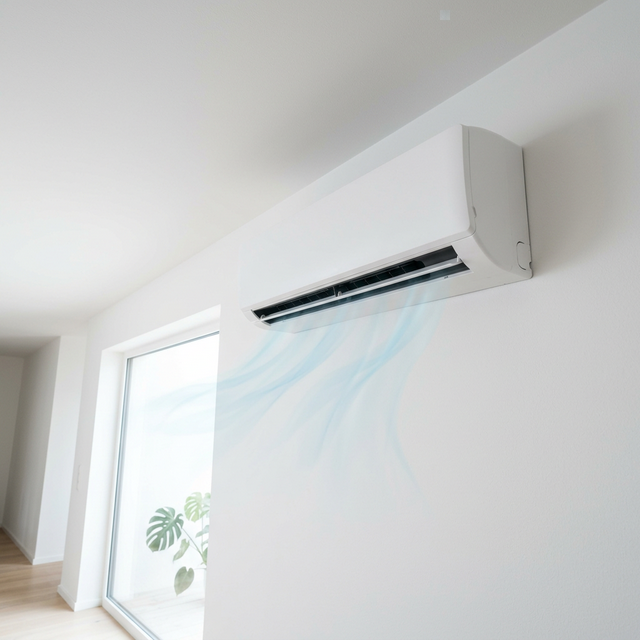
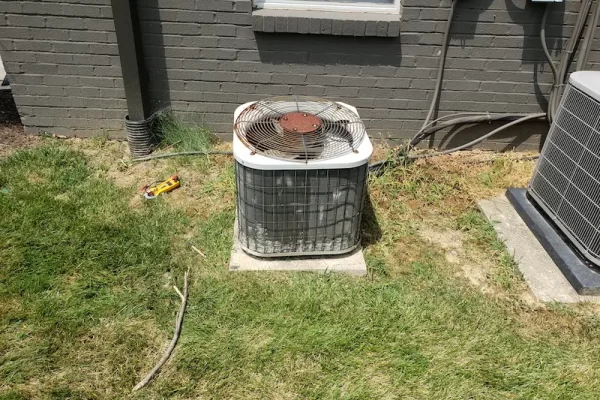
Air conditioning refers specifically to the mechanical process of altering the properties of air, primarily temperature and humidity, within a confined space to achieve human comfort or meet technical requirements. The mechanism relies on the refrigeration cycle, where a refrigerant circulates through a closed loop of compression and expansion. In commercial settings, this involves high-capacity compressors, condenser coils (typically located outdoors to reject heat), and evaporator coils (located indoors to absorb heat). The technical efficacy of an AC system is measured by its capacity to remove both sensible heat (lowering temperature) and latent heat (reducing humidity. In the UAE, the latent heat load is particularly significant, requiring systems with robust dehumidification capabilities to prevent microbial growth and ensure occupant comfort.
The Holistic HVAC Paradigm
HVAC represents an integrated approach to environmental control, encompassing heating and ventilation alongside cooling. While heating is less utilized in the UAE’s residential sector, it remains vital in commercial and industrial contexts for specific humidity control strategies such as reheat cycles and for maintaining stable environments in specialized facilities like pharmaceutical plants or food processing units. Ventilation, the “V” in HVAC, is arguably the most critical component for indoor air quality (IAQ). It involves the intentional introduction of filtered outdoor air and the exhaust of contaminated indoor air to dilute pollutants, such as carbon dioxide and volatile organic compounds (VOCs). In Dubai’s highly sealed, energy-efficient buildings, mechanical ventilation is the primary defense against “Sick Building Syndrome”.
| Feature | Air Conditioning (AC) | HVAC System |
| Core Objective | Thermal Regulation (Cooling/Dehumidification) | Total Environmental Control (IAQ, Heat, Cool) |
| Mechanical Components | Compressor, Evaporator, Condenser, Fan | AHUs, VFDs, Ducting, Boilers, Fresh Air Intakes |
| Air Quality Management | Internal Filtration Only | Dilution through Controlled Ventilation |
| Building Integration | Standalone or Split Configurations | Centrally Managed via Building Automation Systems (BAS) |
| Regulatory Focus | Energy Efficiency Ratio (EER) | IAQ Standards, Fresh Air Ratios, Energy Codes |
Strategic Maintenance vs. Tactical Repair: An Economic Comparison
The operational philosophy adopted by a facility proactive maintenance versus reactive repair determines the long-term viability and total cost of ownership (TCO) for cooling assets. In the high-stress environment of the UAE, the thermodynamic cost of neglect is quantifiable and severe.
The Mechanics of Preventive Maintenance
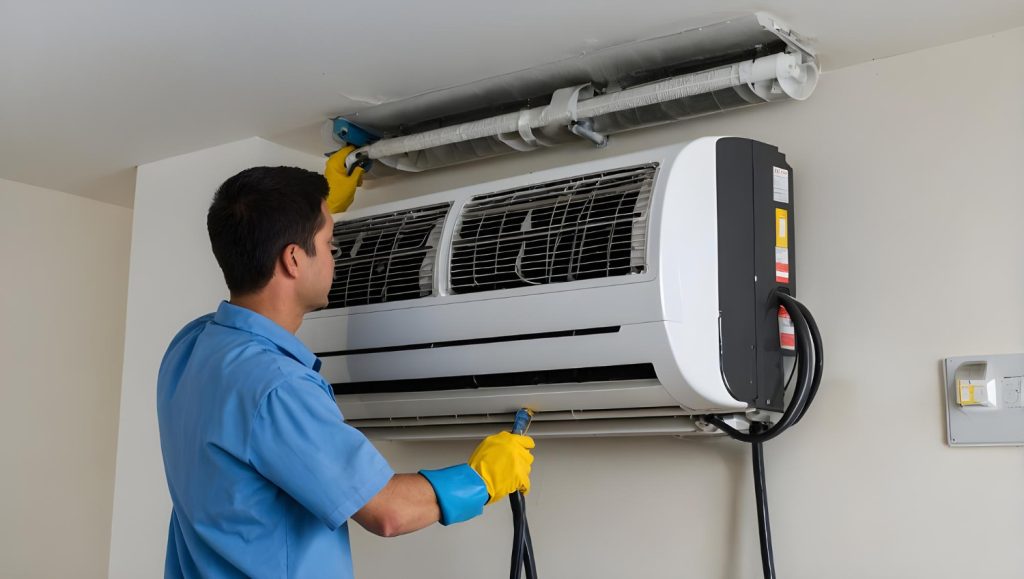
AC maintenance, or preventive maintenance, is a structured regimen of inspections, cleaning, and optimization designed to preserve a system’s “as-new” operating parameters. The rationale is rooted in the prevention of efficiency degradation. In the UAE, the primary enemy of efficiency is particulate accumulation. Dust and sand act as thermal insulators on condenser coils, reducing the rate of heat rejection and forcing the compressor to work longer and harder to achieve the set point.
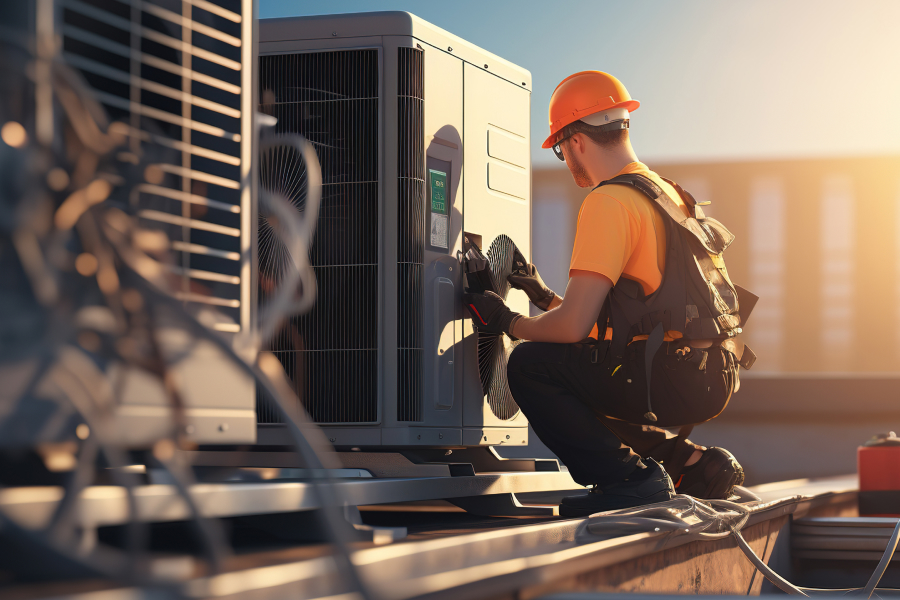
A standard preventive maintenance visit includes flushing the drainage lines to prevent blockages caused by the interaction of dust and condensate, tightening electrical connections that may have loosened due to thermal cycling, and verifying refrigerant charges. Evidence suggests that scheduled maintenance can extend the lifespan of a commercial unit by 30-50% and reduce energy bills by ensuring the system operates at its peak Energy Efficiency Ratio (EER).
The Reality of AC Repair and Emergency Interventions
AC repair is a reactive, tactical intervention necessitated by a system failure or significant performance drop. While repairs are unavoidable over the lifespan of a system, a reliance on reactive maintenance leads to “midnight breakdowns” failures occurring during peak load hours when the system is under maximum stress.
In the UAE, the cost of emergency repairs is not merely the price of parts and labor; it includes the 20-40% “emergency surcharge” often levied for urgent call-outs and, more significantly, the potential business disruption. For a hotel or a retail outlet in Dubai, a cooling failure during the summer can lead to immediate loss of revenue and brand damage. Furthermore, reactive repairs often address the symptom (e.g., a failed compressor) without fixing the root cause (e.g., years of high-pressure operation due to dirty coils), leading to a cycle of repetitive failure.
Thermodynamic Efficiency Loss and Life-Cycle Costs
The efficiency of a cooling system is governed by its ability to transfer heat.
| Aspect | Preventive Maintenance | Reactive AC Repair |
| Operational Philosophy | Proactive & Strategic | Reactive & Tactical |
| Financial Profile | Predictable (AMC Fees) | Volatile (Emergency Costs) |
| System Longevity | Maximized via wear-item rotation | Compromised by repeated stress cycles |
| Energy Consumption | Optimized (Lower utility bills) | Elevated (High resistance operation) |
| Risk Management | High (Predicts failure) | Low (Responds to failure) |
Taxonomy of Commercial Air Conditioning Systems in the UAE
Commercial facilities in Dubai utilize a diverse array of cooling architectures, each selected based on building height, occupancy density, and required temperature precision.
Centralized Chiller Plants
Chillers are the dominant solution for large-scale commercial developments such as shopping malls, high-rise office towers, and luxury hotels. These systems produce chilled water, which is then pumped through a network of pipes to Air Handling Units (AHUs) or Fan Coil Units (FCUs) distributed throughout the building.
- Air-Cooled Chillers: Frequently used in medium-sized commercial buildings, these reject heat directly to the air. While less efficient than water-cooled systems at peak ambient temperatures, they are easier to maintain in the desert environment.
- Water-Cooled Chillers: These utilize cooling towers and are significantly more efficient for massive loads but require intensive water treatment to prevent scaling and Legionella growth, which are heightened risks in the UAE’s warmth.
Variable Refrigerant Flow (VRF) Systems
VRF technology has become increasingly popular for medium-sized commercial applications and high-end residential villas. VRF systems vary the flow of refrigerant to multiple indoor units based on the specific demand of each zone. This allows for exceptional energy efficiency at part-load conditions common during the UAE’s transition months and provides individualized comfort control without the complexity of chilled water piping.
Packaged Rooftop Units (RTUs)
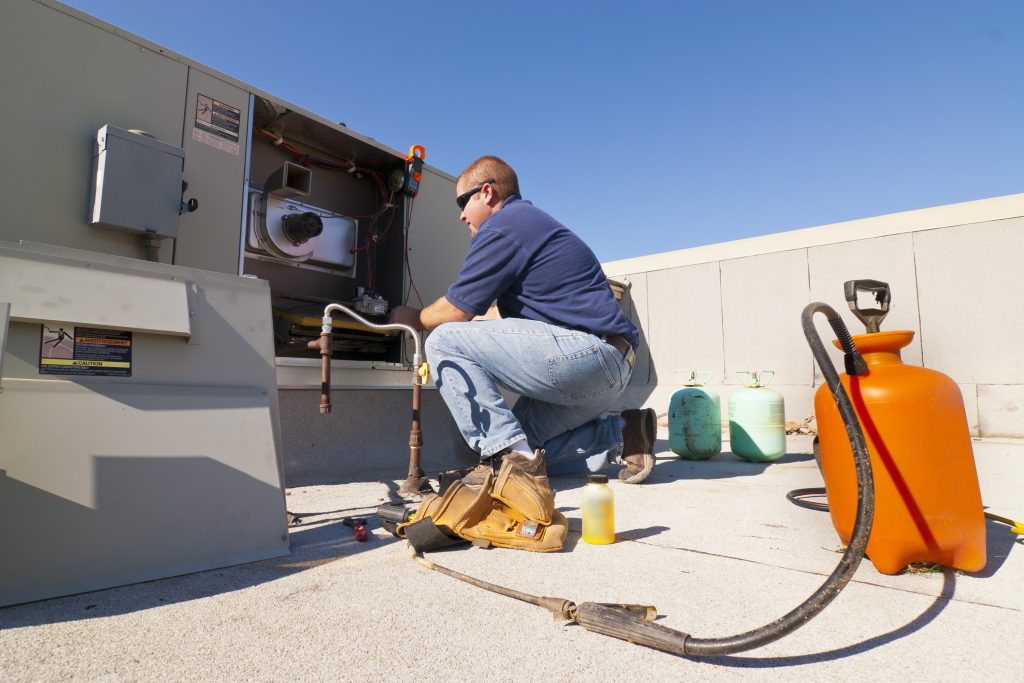
Packaged units are self-contained systems where all components are housed in a single outdoor cabinet, typically mounted on the roof. They are the standard for large, single-story structures like warehouses, distribution centers, and big-box retail stores. Their primary advantage is ease of installation and maintenance, as all mechanical work can be performed outside the conditioned space, preventing disruption to internal operations.
Split and Ducted Split Systems
For smaller retail spaces, clinics, and individual office suites, split systems remain the most cost-effective option. A ducted split system allows for the indoor unit to be hidden above the ceiling, with air distributed via short duct runs. This maintains the aesthetic of a commercial space while providing the simplicity of a standalone unit.
Industrial AC Services: Precision and Power for High-Stakes Environments
Industrial HVAC is a specialized field that prioritizes the stability of mechanical processes and the protection of sensitive equipment over human comfort.
Industrial vs. Commercial Design Philosophies
Industrial AC services are defined by their scale and their ability to operate under extreme conditions. While a commercial system might manage a 20-ton load for an office floor, an industrial system might exceed 500 tons for a manufacturing plant.
- Mechanism Complexity: Industrial systems are often modular, meaning they consist of multiple independent units that can be serviced or expanded without taking the entire facility offline.
- Environment Resilience: Systems designed for UAE factories must be “tropicalized,” often featuring anti-corrosion coatings on coils to resist the saline air and high-static fans to push air through advanced filtration systems required for dust-heavy environments.
Mission-Critical Applications: Data Centers and Logistics
Data centers represent the pinnacle of industrial cooling demand in the UAE. Heat densities in these facilities can reach 200-300 watts per square foot, requiring precision cooling systems (CRAC units) that maintain temperature and humidity within very narrow tolerances to prevent server failure. In the logistics sector, “cold chain” warehouses rely on heavy-duty industrial refrigeration to maintain temperatures as low as 40°C, necessitating systems that use ammonia or CO2 as refrigerants, which require specialized technician certification for safe handling.
Competitive Analysis of the Dubai HVAC Service Market
The UAE market is highly fragmented, with a wide spectrum of providers ranging from large-scale distributors to specialized boutique service firms.
Market Leaders and Service Benchmarking
Analysis of the competitive landscape in Dubai reveals several tiers of providers based on their technical specialization and market reach.
- Premium Distribution and EPC: Leminar Air Conditioning is a leader in this segment, distributing world-class brands like Rheem and S&P while providing engineering support for major infrastructure projects.
- 24/7 Facility Management: Companies like RSK Technicals and AMC AC Maintenance focus on the “always-on” requirements of Dubai’s commercial sector, providing rapid response times and structured Annual Maintenance Contracts (AMCs) for hotels and malls.
- Technology-Driven Platforms: Urban Company and Home Genie have disrupted the residential and light commercial markets by offering standardized pricing and background-verified technicians through mobile applications.
Competitive Differentiators in 2025-2026
The primary factors driving competitive advantage in the current market are response time and technical transparency. Leading firms are increasingly adopting digital reporting, providing clients with “before and after” photos of coil cleanings and real-time data on refrigerant pressures to build trust.
| Provider Tier | Key Competitive Lever | Typical Client Segment |
| Multinational Distributors | Exclusive Brand Access | Large Contractors & Developers |
| High-Rated SME Specialists | Rapid Response & Reputation | Retailers & Office Managers |
| Tech-Enabled Marketplaces | Convenience & Flat Pricing | Residential & Small Businesses |
| Specialized Maintenance Firms | Energy ROI & Detail Focus | Luxury Properties & Precision Facilities |
Economic Analysis: Cost Drivers for Commercial AC Services
Understanding the cost structure of commercial AC repair and maintenance is essential for budgetary planning in the UAE.
Maintenance Pricing Models
In Dubai, maintenance costs are typically influenced by the type of unit and the frequency of service. For a standard commercial property, costs can be broken down as follows:
- Small Offices/Retail: Routine maintenance visits range from AED 200 to AED 500.
- Large-Scale Facilities: For malls or hotels using central chillers, maintenance costs can range from AED 500 to AED 1,500 per visit, depending on the complexity of the integrated systems.
- Industrial Facilities: Maintenance for specialized warehouse or factory HVAC systems often starts at AED 800 and can exceed AED 2,000 per visit.
Repair Cost Estimations and Component Lifespans
The harsh climate of the UAE reduces the typical lifespan of certain components compared to global averages. Capacitors, for example, often fail within 5-8 years due to thermal stress, while they might last 15 years in temperate climates.
| Repair Component | Estimated Cost (AED) | Service Implication |
| Capacitor Replacement | 150 – 350 | High frequency in summer months |
| Refrigerant Gas Top-up | 200 – 500 | Indicates potential leak in system |
| Fan Motor Replacement | 200 – 600 | Critical for heat rejection |
| Compressor (Split System) | 1,500 – 3,000 | Major mechanical failure |
| Compressor (Central System) | 3,000 – 7,000 | Critical capital expense |
| Duct Cleaning & Sanitization | 550 – 1,200 | Recommended for IAQ every 2 years |
Emergency repairs typically carry an additional fee of AED 100 to AED 300 on top of the base labor rate. A key industry “rule of thumb” in Dubai is that if a repair exceeds 50% of the replacement cost of a unit older than 10 years, replacement is the more financially sound option.
Technical Diagnostics: Common Problems and Failure Mechanisms
The operational challenges faced by AC systems in the UAE are primarily driven by heat and particulate ingress.
Critical Failure Root Causes
- Evaporator Coil Icing: Frequently caused by restricted airflow due to dirty filters or low refrigerant levels. When the pressure in the evaporator drops too low, the coil temperature falls below freezing, causing condensate to turn to ice, which completely blocks air passage.
- Compressor “Short Cycling”: Often caused by oversized units or faulty thermostats. In the UAE, short cycling is particularly damaging because it prevents the system from running long enough to effectively dehumidify the air, leading to a “clammy” indoor environment.
- Electrical Contactor Pitting: The extreme outdoor temperatures can cause the contacts in electrical switches (contactors) to arc and pit. This can lead to intermittent power supply to the compressor, eventually burning out the motor windings.
- Drainage Overflow: High humidity results in massive condensate production. If the drain tray is not level or the line is blocked by dust, the water can overflow into the building, causing structural damage to false ceilings and walls.
Advanced Diagnostic Protocols
Professional technicians use various tools to identify these issues proactively. Thermal imaging can detect electrical “hot spots” in a control panel before they lead to a fire, and manometer tests can measure “static pressure” in ductwork to identify hidden blockages or leaks.
The Hygiene Frontier: Duct Cleaning and Indoor Air Quality
Duct cleaning has transitioned from a niche service to a standard requirement for commercial health and safety in the UAE.
The Particulate Challenge
Dubai’s atmosphere is characterized by fine desert sand and construction dust. When this enters an AC system, it settles in the ductwork. Combined with the moisture present in the system, this creates a nutrient-rich substrate for the growth of mold and fungi.
- Health Implications: Contaminated ducts circulate allergens and pathogens, leading to increased absenteeism in office environments.
- System Impact: Thick layers of dust in the ducts increase “system resistance,” forcing fans to consume more power to move the same volume of air.
Professional Cleaning Methodology
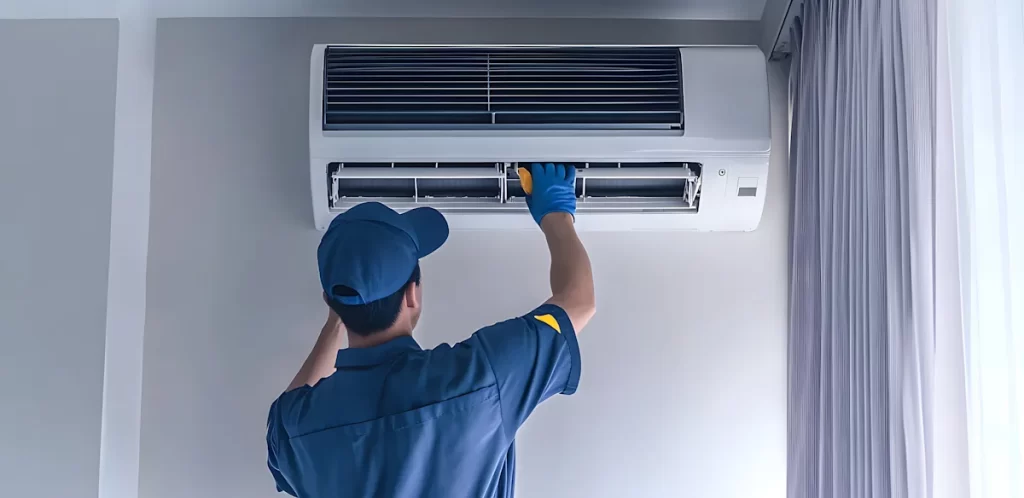
High-quality duct cleaning involves the use of specialized vacuums equipped with HEPA (High-Efficiency Particulate Air) filters and mechanical brushes that physically dislodge debris from duct walls. Sanitization with antimicrobial agents is then used to kill any remaining spores. For commercial buildings, NADCA certification is the standard for verifying that a cleaning provider follows recognized international protocols.
Regulatory Landscape: ESMA, MOIAT, and Energy Mandates
The UAE has implemented some of the most stringent energy efficiency standards in the world to manage its national carbon footprint.
The EESL Star Rating System
Managed by the Ministry of Industry and Advanced Technology (MOIAT), the Energy Efficiency Standardization and Labeling (EESL) program requires all HVAC equipment to carry a star rating.
- Testing Conditions: Systems must be tested under “T3” conditions (54°C) to ensure they can function in the Gulf summer.
- Mandatory Minimums: As of 2024, equipment must meet specific Energy Efficiency Ratio (EER) thresholds to be legally sold. A 5-star unit is roughly 20-30% more efficient than a 1-star unit.
Dubai Building Code and Al Sa’fat
Dubai Municipality’s Al Sa’fat green building system is mandatory for all new construction.
- Efficiency Thresholds: Commercial buildings must demonstrate energy performance that exceeds baseline code requirements. Achieving a 5-star Al Sa’fat rating requires a 30-40% improvement in energy efficiency.
- VFD Requirements: As of January 2026, new regulations mandate the use of Variable Frequency Drives (VFDs) for all large motors in commercial HVAC systems, allowing fan and pump speeds to be modulated based on actual load.
Strategic Brand Analysis for the UAE Market
The choice of manufacturer significantly impacts the long-term reliability of a commercial installation in the Middle East.
Global Leaders in the Region
- Daikin Industries: Daikin is widely regarded as the leader in inverter technology and VRF systems in the UAE. Their systems are engineered for the high-ambient conditions of the Gulf.
- Carrier Global: Carrier is the preferred choice for many of Dubai’s largest chiller installations and mission-critical facilities like hospitals and data centers.
- Trane Technologies: Trane is favored for its extreme durability. Their use of all-aluminum “Spine Fin” coils provides superior resistance to the corrosion caused by the UAE’s coastal humidity.
- York (Johnson Controls): York is at the forefront of “smart” HVAC, with their OpenBlue platform allowing building managers to monitor and optimize entire fleets of chillers from a centralized dashboard using AI.
| Brand | Technical Specialty | Market Focus |
| Daikin | Inverter & VRF Systems | Energy-Conscious Commercial & Luxury Villa |
| Carrier | High-Capacity Chillers | Large Infrastructure & Critical Systems |
| Trane | Corrosion Resistance | Coastal Facilities & High-Durability Projects |
| York | Building Automation Integration | Smart Buildings & Digital Management |
| Rheem | Packaged Rooftop Units | Logistics, Warehousing & Retail |
Future Horizons: AI and Sustainable Cooling
The future of the UAE AC industry is defined by two forces: digitalization and decarbonization.
The AI Transformation
Artificial Intelligence is shifting the industry from “preventive” to “predictive” maintenance. By 2025, the AI-driven HVAC market is expected to reach $5.47 billion globally. In the UAE, sensors embedded in chillers and AHUs can now detect the “signature” of a failing bearing or a slow refrigerant leak months before a human technician would notice.
Sustainable Refrigeration
The UAE is moving away from HFC refrigerants like R-410A due to their high global warming potential. The next generation of systems is increasingly using R-32 or natural refrigerants like CO2 and Ammonia for industrial applications.
Partnering for Excellence: Strategic AC Solutions with Air-Con.ae
Navigating the complexities of the UAE’s cooling landscape requires a partner committed to technical precision and operational efficiency. Air-Con.ae (Cool and Cool Air Conditioning) is positioned as a premier service provider in Dubai and Sharjah, specializing in the entire lifecycle of AC management from ac installation to emergency ac repair.
Meticulous Servicing and Deep Cleaning
Unlike providers that prioritize volume, Air-Con.ae emphasizes a “quality-first” approach to ac maintenance. Their ac cleaning services extend beyond surface filters to include high-pressure coil washes and anti-bacterial treatments that remove dust, mold, and pathogens, which are common in Sharjah’s humid environment. By ensuring that both indoor and outdoor units are chemically optimized, the service significantly improves indoor air quality and cooling capacity.
Proactive Energy Savings and Reliability
Strategic preventive maintenance is the cornerstone of the Air-Con.ae philosophy. Regular servicing from their expert technicians can reduce electricity bills by 30-40% by maintaining the system’s peak thermodynamic efficiency. Key benefits of their professional oversight include:
- Reduced Utility Costs: Optimized airflow and refrigerant levels prevent excessive energy draw during peak summer months.
- Emergency Responsiveness: With 24/7 availability and same-day service for critical issues like ac water leakage, they ensure business continuity in even the most extreme conditions.
- Annual Maintenance Contracts (AMC): Offering structured plans starting from AED 199, Air-Con.ae provides a cost-effective route for facility managers to ensure quarterly health checks and prioritized technical support.
For organizations seeking to maximize the return on their HVAC investments while ensuring a safe, comfortable environment for occupants, Air-Con.ae provides the localized expertise and technical transparency necessary for success in the UAE’s demanding climate.
Conclusion: Actionable Insights for Stakeholders
The evidence presented in this analysis confirms that AC management in the UAE is a high-stakes endeavor where technical neglect leads directly to financial loss. For property owners and facility managers, the path toward optimization is clear.
A commitment to structured preventive maintenance is the most effective way to protect capital assets. By investing in regular coil cleaning and electrical calibration, organizations can avoid the surcharges associated with emergency repairs and significantly extend the life of their systems. Furthermore, in an environment where cooling accounts for the majority of electricity costs, the return on investment for energy-efficient maintenance is immediate.
Adherence to the evolving regulatory landscape, particularly the 2026 updates for motors and the Al Sa’fat requirements, is essential for maintaining building valuations and ensuring long-term compliance. As the market moves toward AI-driven predictive maintenance, early adoption of these technologies will provide a significant competitive advantage in terms of both operational cost and occupant comfort. Finally, the selection of high-durability brands tailored for the T3 climate conditions ensures that the mechanical heart of the building remains resilient against the extreme thermodynamic demands of the United Arabian desert.