In the peak of a UAE summer, we often focus on the numbers on the thermometer. We see 45°C or 48°C and know it’s going to be a brutal day. However, any long-term resident of Sharjah or Dubai knows that the “heat” isn’t the only enemy. The real battle begins when the humidity climbs.
When the air becomes thick and “sticky,” your air conditioner has to shift from being a simple cooler to a heavy-duty industrial processor. Understanding how high humidity affects your AC performance is the key to maintaining a comfortable home and avoiding a massive spike in your utility bills.
This is where specialized AC Maintenance Sharjah becomes a necessity rather than a luxury. Let’s dive into why moisture is the silent killer of your home comfort.
The Hidden Job of Your Air Conditioner
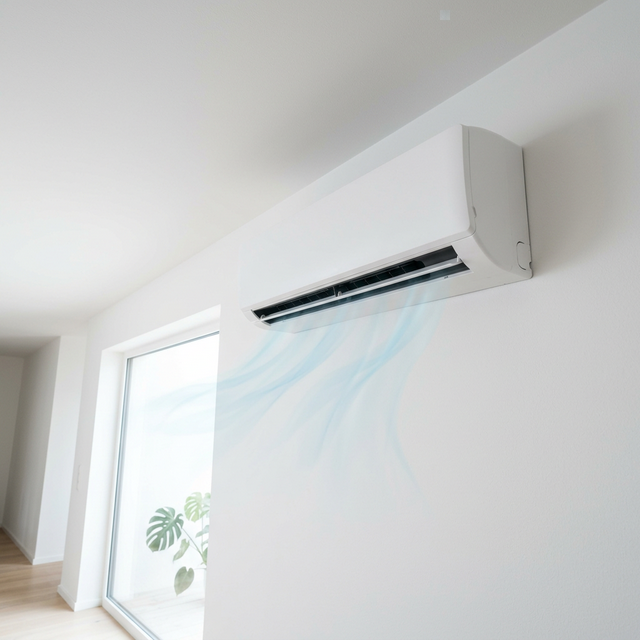
Most people believe an air conditioner’s only job is to lower the air temperature. While that is its primary function, it has a secondary, equally important role: Dehumidification.
Air holds water vapor. The hotter the air, the more moisture it carries. When your AC pulls warm air from your living room, it passes it over a set of icy cold coils (the evaporator). As that air chills, it can no longer hold all that moisture. The water “condenses” out of the air much like beads of water forming on the outside of a cold soda can and drips into a tray to be drained away.
When humidity is high, your AC spends a massive amount of its energy removing water before it can even begin to lower the room temperature.
1. The “Feels Like” Factor and Thermostat War
High humidity makes the air feel much hotter than it actually is. This is because our bodies cool down by sweating; when the air is already saturated with water, our sweat can’t evaporate, leaving us feeling sticky and overheated even if the room is technically 22°C.
The Performance Impact: Because you feel hotter, your natural instinct is to walk to the thermostat and crank it down to 18°C. This forces the AC into a “marathon run.” On a high-humidity day, the machine might work at 100% capacity for five hours straight just to remove the moisture. This leads to massive wear and tear on the compressor and a significant jump in your DEWA or SEWA bill.
2. Frozen Coils: The Counter-Intuitive Failure
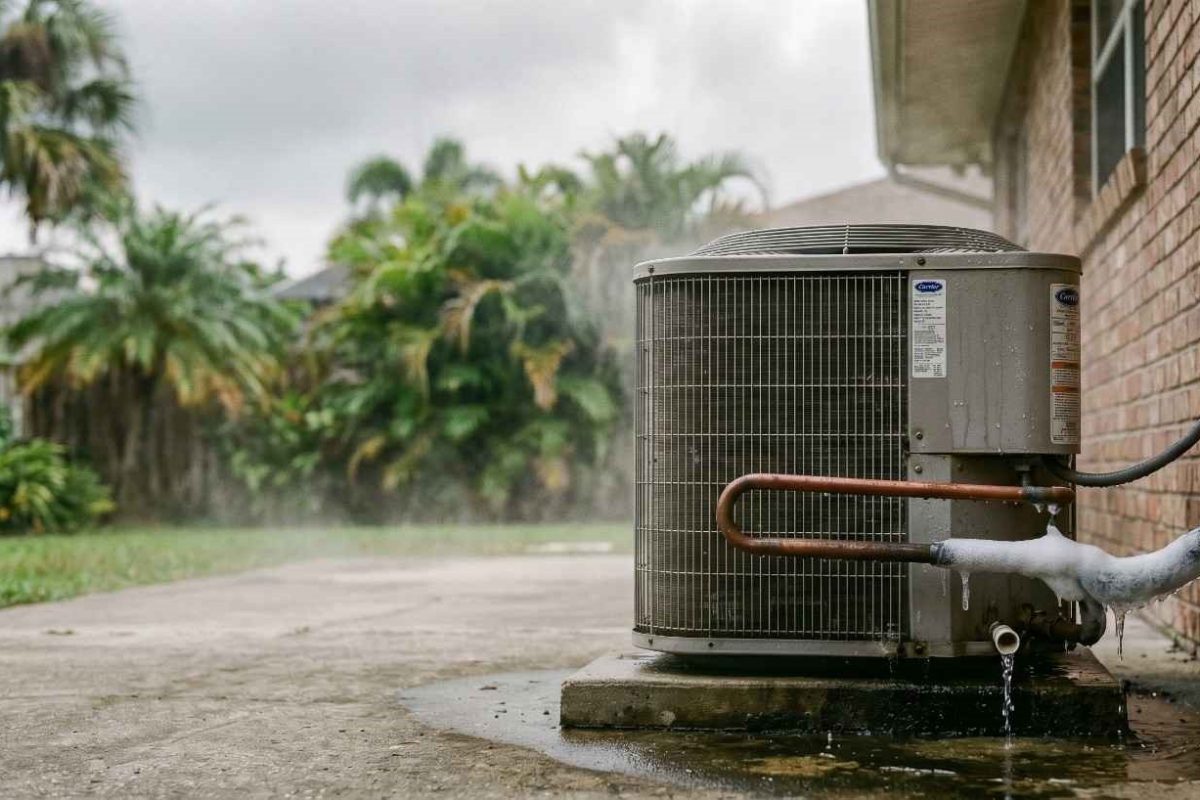
It sounds strange that a hot, humid day could cause your AC to turn into a block of ice, but it happens more often than you think in the UAE.
The Performance Impact: If your air filter is even slightly dirty, the airflow is restricted. When the air is very humid, the moisture collects on the cooling coils faster than it can drain away. Because the airflow is slow, that water stays on the coils and begins to freeze. Once a thin layer of ice forms, it acts as an insulator. Soon, your entire unit is encased in ice, blowing warm air because the cooling “coldness” can’t penetrate the ice barrier.
3. The Clogged Drain Emergency
Every drop of water your AC pulls out of the air has to go somewhere. It drips into a primary drain pan and flows out through a PVC pipe.
The Performance Impact: In a standard Sharjah apartment, an AC can pull several liters of water out of the air in a single day during August. If that drain line has even a small amount of algae or dust buildup, the high volume of water will cause a backup. This leads to water leaking through your ceiling or, in many modern units, a safety switch will trigger, shutting down the entire AC system to prevent a flood.
4. Accelerated Mechanical Wear and Corrosion
Humidity doesn’t just affect the air; it affects the metal. High moisture levels, especially in coastal areas like Sharjah or Dubai Marina, can lead to faster corrosion of the delicate aluminum fins and copper pipes.
The Performance Impact: When the system is constantly damp, it becomes a breeding ground for biological growth inside the unit. This creates “friction” for the air and can lead to a metallic or musty smell. Furthermore, the electrical components have to work harder to start the compressor against the high pressure of a humid environment, leading to “short cycling,” which is the quickest way to kill a motor.
5. Indoor Air Quality and Health
When an AC struggles with humidity, the result isn’t just a warm room it’s an unhealthy one.
The Performance Impact: If the humidity inside your home stays above 60%, mold and dust mites begin to thrive. You might notice that your family is sneezing more often or that your skin feels perpetually clammy. A high-performing AC should keep your indoor humidity between 30% and 50%. If it fails to do this, it’s a sign that the system is either undersized for the space or in desperate need of professional AC Service Sharjah.
How to Help Your AC Survive the Humidity
You don’t have to be a victim of the weather. There are several steps you can take to support your system:
- Seal the Leaks: On humid days, even a tiny gap in a balcony door allows a massive amount of moisture to rush in. Ensure your weather stripping is intact.
- Use Exhaust Fans: When cooking or showering, use exhaust fans to vent that extra steam directly outside rather than letting it circulate into your living room.
- Don’t “Yo-Yo” the Temperature: Setting your AC to 18°C and then 25°C causes moisture to settle and then dry rapidly, which can lead to mold growth on the vents. Pick a steady, comfortable temperature (like 23°C or 24°C).
Why Professional Maintenance is Non-Negotiable
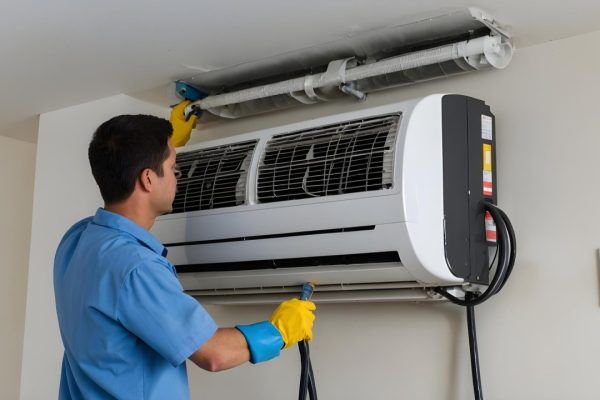
Because humidity puts such a massive strain on the drainage and cooling coils, annual maintenance is your only defense against a total system failure. A standard “filter wash” isn’t enough when the humidity hits 80%.
The experts at Air-Con.ae specialize in AC Maintenance Sharjah, providing deep-cleaning services that address the specific challenges of the UAE climate. They ensure:
- Drainage Lines are Clear: They flush the lines with specialized solutions to prevent algae clogs and ceiling leaks.
- Chemical Coil Cleaning: Removing the “blanket” of dust from your coils allows the system to remove moisture 30% more effectively.
- Refrigerant Pressure Checks: A system low on gas will freeze instantly when the humidity rises. Air-Con.ae ensures your levels are perfect.
Don’t let the “sticky” weather win. A well-maintained AC doesn’t just cool your home it dries it, protects your health, and keeps your utility bills under control. Contact Air-Con.ae today to ensure your sanctuary stays frosty and fresh, no matter how thick the air gets outside.