The intersection of urban living and pet ownership in the Emirate of Sharjah presents a unique set of mechanical and biological challenges for residential heating, ventilation, and air conditioning (HVAC) systems. While the companionship provided by domestic animals is invaluable, the biological output of these pets specifically fur, dander, and skin oils interacts with the harsh environmental conditions of the Arabian Peninsula to create a cumulative threat to mechanical integrity. In Sharjah, where summer temperatures frequently exceed 45∘C, the reliance on air conditioning shifts from a luxury to a critical utility for survival. For pet owners, this reliance is compounded by the fact that their animals lack the human capacity for thermoregulation through perspiration, making them entirely dependent on the efficiency of the home’s cooling system.
The Synergy of Biological and Mineral Contaminants
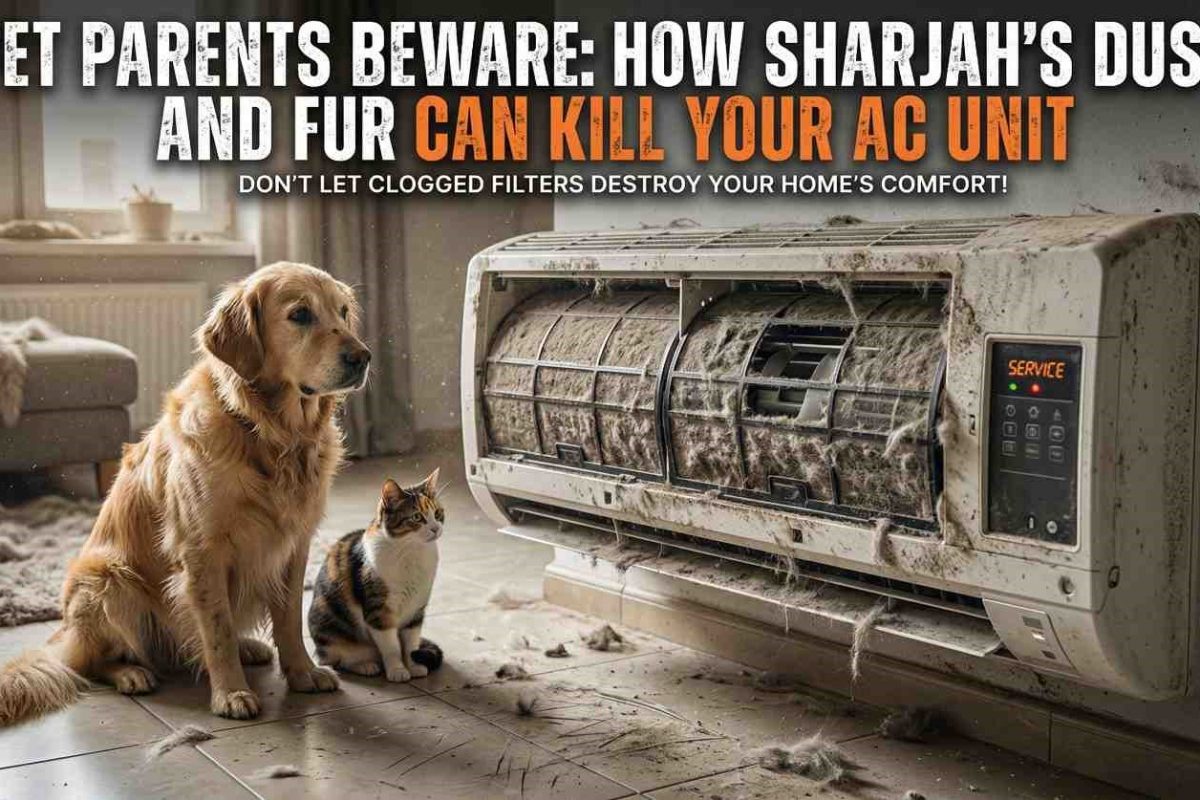
The primary mechanism of HVAC degradation in Sharjah is not the failure of individual components, but the synergistic accumulation of mineral dust and biological fibers. The desert environment provides a constant influx of fine particulate matter, including quartz and calcite minerals, which enter the building envelope through ventilation gaps and daily ingress. When these mineral particles meet the organic fibers shed by pets, they form a dense, insulating matrix that is significantly more difficult to remove than standard household dust. Residents who experience a sudden decrease in cooling capacity or a total system shutdown often require a Quick AC Fix in Sharjah to address the mechanical exhaustion caused by these layers of trapped debris that prevent effective heat exchange and airflow. This section explores how the specific morphology of desert sand interacts with the protein structures of animal fur to accelerate system failure.
| Contaminant Type | Source | Particle Size/Morphology | Impact on HVAC |
|---|---|---|---|
| Mineral Dust | Rub’ al Khali Desert | 2.5 – 10 microns (angular) | Coils coating, filter clogging |
| Mammalian Fur | Dogs, Cats, Rabbits | 20 – 100+ microns (fibrous) | Airflow restriction, blower strain |
| Animal Dander | Skin cells | 0.5 – 5 microns (microscopic) | Deep duct penetration, allergens |
| Biological Oils | Sebum from skin | Liquid/Aerosolized | Adhesive for dust particles |
| Saline Vapor | Arabian Gulf | Microscopic droplets | Galvanic corrosion of metals |
The mineralogical composition of Sharjah’s dust is predominantly quartz and carbonate grains, which are often pitted and jagged due to eolian transport. These pits provide ideal attachment points for aerosolized skin oils (sebum) released by pets during grooming or play. Once a thin layer of oil-coated mineral dust adheres to the aluminum fins of an evaporator coil, it creates a “sticky” substrate that captures passing pet fur with high efficiency. This feedback loop quickly transforms a clean heat exchanger into an insulated block, preventing the refrigerant from absorbing heat from the indoor air and eventually leading to the freezing of the unit.
Geographical Variance in Particulate Loads
Within the Sharjah municipality, the particulate load varies significantly by district, impacting the maintenance requirements for pet-owning households. Coastal areas such as Al Khan and Al Majaz face higher levels of saline moisture, which interacts with pet dander to form a conductive film on electrical components. Conversely, inland areas like Muwaileh and the industrial zones are subject to higher concentrations of coarse mineral dust and construction-related particulate matter.
| Sharjah District Category | Environmental Stressor | Pet-Specific Interaction |
|---|---|---|
| Coastal (Al Khan, Majaz) | High Humidity, Salt Air | Biofilm growth in drain lines |
| Urban/Residential (Al Nahda) | High Traffic, PM2.5 | Dander suspension in stagnant air |
| Inland/Industrial (Muwaileh) | Coarse Sand, Construction Dust | Rapid filter saturation with fur |
The presence of pets in high-dust areas necessitates a 30% to 50% increase in the frequency of filter inspections compared to pet-free households. In the absence of this vigilance, the blower motor must overcome increased static pressure, leading to higher electrical consumption and a shortened lifespan of the motor windings.
Thermodynamics of Heat Exchange Under Biological Load
The fundamental operation of an air conditioning unit relies on the efficient transfer of heat from the indoor environment to a chemical refrigerant. This process is described by the heat transfer equation:
The Mechanism of Evaporator Coil Freezing
As the heat transfer efficiency drops, the refrigerant flowing through the evaporator coils does not absorb sufficient energy from the room air. Consequently, the temperature of the coil drops below the freezing point of water. Moisture from the humid Sharjah air, which should normally condense and drain away, instead freezes on contact with the coil. This ice further blocks airflow, causing the coil temperature to drop even further, eventually encasing the entire indoor unit in a block of ice. For pet parents, this often results in a system that blows warm air or stops blowing air altogether, necessitating immediate professional intervention to thaw the system and deep-clean the underlying biological buildup.
Blower Motor Torque and Electrical Strain
The blower motor is the heart of the air distribution system. In an environment saturated with pet hair, the motor must work harder to pull air through a restricted filter. Modern HVAC systems often use electronically commutated motors (ECM) that attempt to maintain a constant CFM (cubic feet per minute) of airflow regardless of the resistance. When a filter is clogged with a combination of Sharjah sand and Golden Retriever fur, the ECM will ramp up its speed and torque to maintain airflow. This increases the electrical load—often reflected in higher DEWA or SEWA bills—and leads to excessive heat generation within the motor itself, which can cause the insulation on the copper windings to fail.
| Motor Condition | Airflow Resistance | Energy Consumption | Expected Lifespan |
|---|---|---|---|
| Clean Filter/No Pets | Low | Baseline | 12-15 Years |
| Clogged Filter (No Pets) | Moderate | +15% | 8-10 Years |
| Clogged Filter (Multiple Pets) | High | +25% to 40% | 5-7 Years |
Biological Corrosion and the Chemistry of Pet Waste
One of the most overlooked aspects of pet-related HVAC failure is the chemical degradation of the outdoor condensing unit. For residents living in villas or ground-floor apartments with accessible outdoor units, pets specifically dogs can cause irreversible structural damage through the introduction of corrosive biological fluids.
Ammonia-Induced Corrosion
Dog urine contains high concentrations of urea, which breaks down into ammonia. Ammonia is highly corrosive to the aluminum fins and copper tubing found in AC condensers. Repeated exposure to urine can dissolve the delicate aluminum fins that are responsible for heat dissipation. Once these fins are gone, the surface area (“A”) of the condenser is permanently reduced, forcing the compressor to operate at higher pressures and temperatures. This often leads to a “burnt out” compressor, which is one of the most expensive repairs a homeowner can face in Sharjah.
Saline Synergy and Galvanic Reactions
Sharjah’s coastal air already contains sodium chloride, which acts as an electrolyte. When pet skin oils and dander settle on the outdoor unit, they trap these salt particles against the metal surfaces. In the presence of high humidity, a galvanic reaction occurs between the copper tubes and aluminum fins. The salt facilitates the flow of electrons between these dissimilar metals, causing the more reactive metal (aluminum) to corrode at an accelerated rate. This process, known as “pitting,” can eventually lead to refrigerant leaks as the corrosion penetrates the copper walls of the tubing.
| Metal Component | Corrosive Agent | Resulting Damage | Repair Difficulty |
|---|---|---|---|
| Aluminum Fins | Pet Urine/Ammonia | Complete dissolution | High (Requires coil replacement) |
| Copper Tubing | Salt + Moisture | Formicary/Pinhole leaks | Moderate (Requires welding/recharging) |
| Steel Casing | High Humidity | Structural rust | Low (Aesthetic) |
| Electrical Contacts | Dander + Salt | Short circuits | Moderate |
The Biofilm Crisis: Sludge in the Drainage System
In the humid climate of the UAE, the air conditioner serves a dual purpose: cooling and dehumidification. A standard unit in Sharjah can remove up to 75 liters of water per day from the indoor air. This condensate must be safely removed through a system of drain pans and PVC lines. However, the introduction of pet dander into this system creates a biological “soup” that fosters the growth of invasive biofilms.
The Anatomy of “White Slime”
The phenomenon colloquially known as “white slime” in the HVAC industry is a complex matrix of bacteria, fungi, and the polysaccharides they excrete as a protective barrier. In Sharjah, this growth is most aggressive during the peak summer months (May-August) when the unit runs continuously and provide a constant supply of moisture. Pet dander serves as the primary food source for these colonies, providing the necessary proteins and lipids for rapid reproduction.
Consequences of Clogged Drainage
When a drain line becomes blocked by pet-dander-fueled sludge, the water backs up into the primary drain pan. If the system is not equipped with an overflow safety switch (float switch), the water will spill over, causing extensive damage to internal building structures.
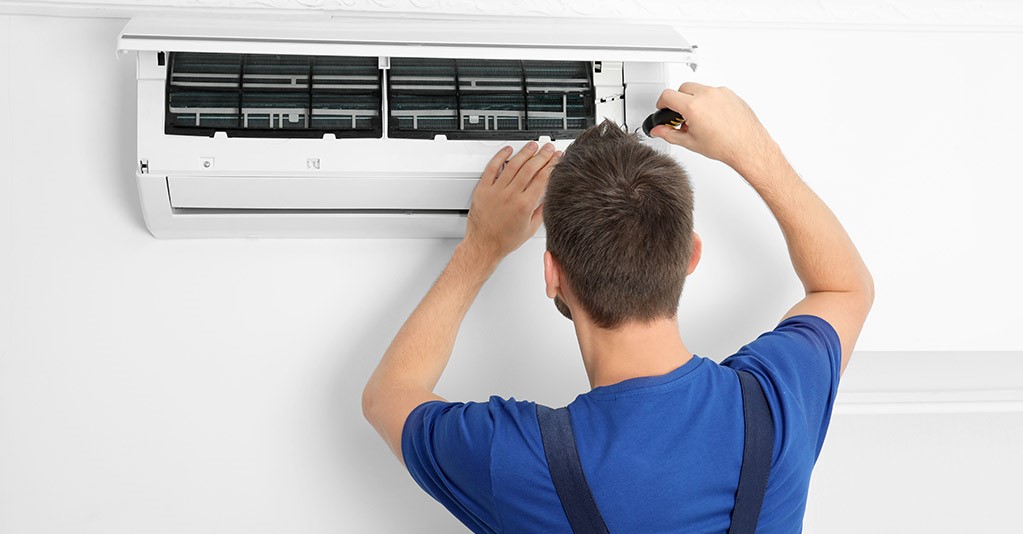
- Ceiling and Wall Damage: In many Sharjah apartments, the indoor unit (FCU) is located above the false ceiling. An overflow can lead to the collapse of gypsum boards and the growth of mold in the building’s infrastructure.
- Electrical Failures: If water drips into the electrical control board of the AC unit or into the building’s wiring, it can cause catastrophic shorts and fire hazards.
- Indoor Air Quality (IAQ) Degradation: The standing water in the drain pan becomes a reservoir for Aspergillus and Penicillium mold spores, which are then blown directly into the living space, triggering respiratory distress in both pets and their owners.
| Slime Characteristic | Impact on Drainage | Health Risk |
|---|---|---|
| Clear/White Biofilm | Gradual restriction | Low |
| Thick Grey Sludge | Total blockage/Overflow | Moderate (Bacteria) |
| Black Mold Growth | Surface contamination | High (Spores/Allergens) |
Pet Health Risks Associated with HVAC Failure
The reliability of a Sharjah AC unit is a matter of veterinary urgency. Domesticated pets, specifically those non-native to the Arabian Peninsula, possess limited physiological mechanisms to cope with temperatures exceeding 35∘C.
Heatstroke Dynamics in Dogs and Cats
Unlike humans, dogs and cats do not possess sweat glands across their bodies; they rely almost exclusively on evaporation through the tongue and respiratory tract (panting). When an AC unit fails due to fur-clogged coils, the indoor temperature can rise from a comfortable 22∘C to a dangerous 35∘C in less than two hours.
- Critical Thresholds: A pet’s core temperature normally ranges from 38∘C to 39∘C. If the ambient temperature matches or exceeds this, panting becomes ineffective. Once a pet’s internal temperature reaches 41∘C (105.8∘F), organ failure, brain damage, and death can occur with startling rapidity.
- Brachycephalic Vulnerability: Breeds such as Pugs, Bulldogs, and Persian cats are at an extreme disadvantage. Their shortened airways already restrict their ability to move air efficiently for cooling. In a failed AC scenario, these pets are often the first to suffer from heatstroke.
Respiratory Irritation and Allergic Rhinitis
Beyond the immediate threat of heat, the “AC-Pet Feedback Loop” degrades air quality in a way that impacts long-term health. When pet hair accumulates in the ductwork, it becomes a secondary reservoir for dust mites, pollen, and the fine sand particles ubiquitous in Sharjah. As the AC cycles, these irritants are pulverized and recirculated. Vets in the UAE frequently report a higher incidence of respiratory issues among pets living in poorly maintained environments, including coughing, sneezing, and chronic tracheal sensitivity.
| Pet Health Sign | Environmental Trigger | Necessary Action |
|---|---|---|
| Excessive Panting | High Ambient Temperature | Immediate cooling/Vet care |
| Red Gums/Drooling | Early Stage Heatstroke | Cool water immersion/Vet care |
| Persistent Coughing | Mold/Dust in Ductwork | Professional AC cleaning |
| Lethargy/Sluggishness | Poor IAQ or Heat Stress | Temperature monitoring |
Advanced Technological Interventions for Pet-Friendly Homes
To combat the unique environmental pressures of Sharjah, homeowners are increasingly adopting advanced HVAC technologies that provide a secondary layer of protection against biological and mineral pollutants.
UV-C Germicidal Irradiation
The installation of UV-C lamps within the air handler has become a gold standard for pet owners in the UAE. These lamps are typically installed downstream of the evaporator coil.
- Mechanism: UV-C light (specifically at the 254nm wavelength) penetrates the cellular walls of microorganisms, destroying their DNA and preventing replication.
- Benefits for Pet Owners: By continuously bathing the coil and drain pan in UV light, these systems prevent the formation of the dander-fueled “white slime” and keep the coils free of mold. This ensures that heat transfer remains efficient even if some physical fur passes the filter.
Smart Home Integration and Air Quality Monitoring
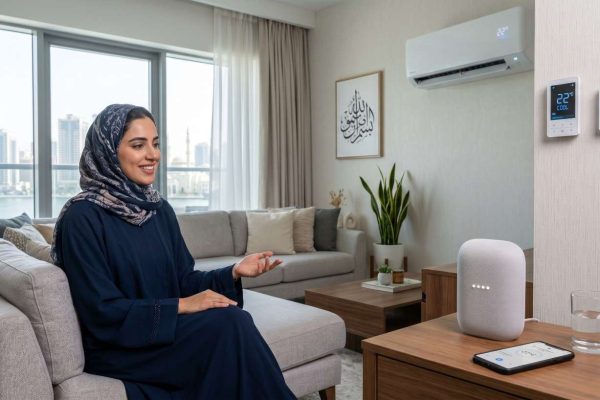
The integration of air quality monitors (IAQ) with smart thermostats allows for proactive environment management.
- Particulate Sensors: Devices that monitor PM2.5 and PM10 can detect when pet activity (like play or grooming) has increased the airborne dander levels. These sensors can trigger the HVAC system to run the fan at a high speed through the filtration system without necessarily engaging the compressor, thus cleaning the air without wasting energy on cooling.
- Automated Safety Alerts: For pet owners who are away at work, smart home systems (such as those using IFTTT or Home Assistant) can send an emergency notification to a smartphone if the indoor temperature exceeds 28∘C, providing an early warning of AC failure.
Source Capture and Specialized Grooming Tools
Innovation in pet care has led to “at-source” solutions that prevent fur and dander from ever reaching the AC system.
- Vacuum Grooming Sets: Tools such as the FurMe pet vacuum brush the pet while simultaneously suctioning loose fur into a HEPA-sealed canister. By capturing 99% of loose hair before it hits the floor or becomes airborne, these tools significantly reduce the biological load on the home’s HVAC filters.
- Localized Air Scrubbers: Portable air purifiers equipped with specialized pet-odor filters and charcoal layers can neutralize the VOCs released by pet skin oils before they can adhere to the AC coils.
Economic Impact and Maintenance Optimization
The financial consequences of ignoring the “pet-sand” interaction in Sharjah are substantial. An AC unit that is poorly maintained in a pet-friendly home operates at roughly 60% of its theoretical efficiency, leading to higher monthly utility costs and frequent emergency repair fees.
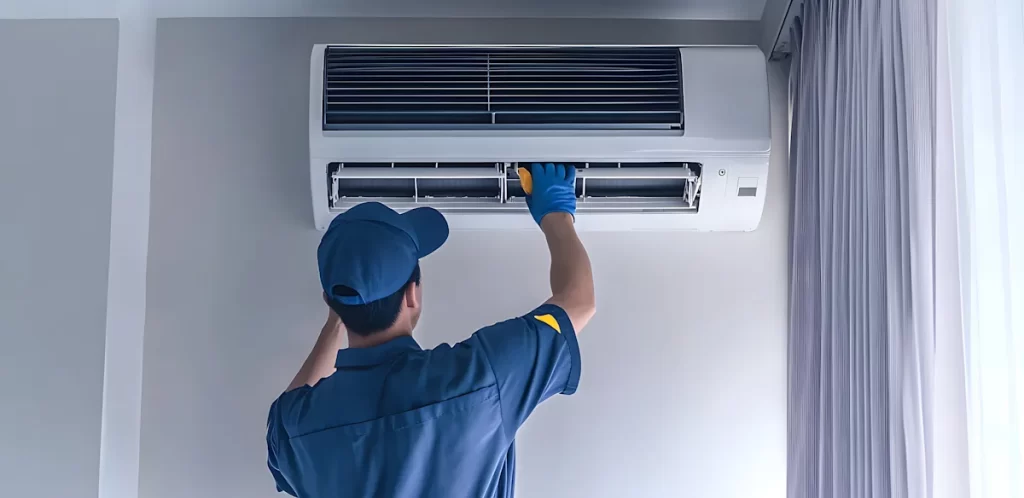
Maintenance Cost Spectrum (Sharjah 2025-2026)
The cost of professional AC services in Sharjah varies based on the depth of the cleaning required and the size of the property.
| Service Level | Description | Average Cost (AED) | Frequency for Pet Owners |
|---|---|---|---|
| Basic Service | Filter clean, gas check, basic inspection | 150 – 300 | Every 2-3 Months |
| Deep Cleaning | Chemical coil clean, drain flush, duct sanitize | 350 – 650 | Every 6-9 Months |
| Duct Cleaning | Full mechanical brush and vacuum of ducts | 500 – 1,500 | Every 2-3 Years |
| Emergency Repair | Compressor start-kit or capacitor change | 300 – 800 | As needed |
| Annual Contract | Scheduled maintenance and 24/7 support | 1,200 – 3,500 | Recommended |
The ROI of Preventive Maintenance
A study of residential units in Sharjah industrial and residential zones suggests that preventive maintenance reduces the likelihood of a total system failure by 90%. For a pet owner, an Annual Maintenance Contract (AMC) acts as an insurance policy. The cost of an AMC is often less than the price of a single compressor replacement (which can exceed AED 2,500) and ensures that the system is operating at peak efficiency, potentially saving the homeowner AED 200-400 per month in electricity costs during the summer.
Strategic Maintenance Protocol for Pet Parents
To navigate the environmental challenges of Sharjah without sacrificing the health of their AC units or their pets, residents should adhere to a rigorous maintenance protocol. This protocol transcends simple filter washing and addresses the specific chemical and biological threats identified.
Tier 1: Daily and Weekly Home Care
- Filtration Management: In Sharjah, pet owners should check their AC filters every two weeks. If the filter appears “felted” with hair, it should be washed or replaced immediately. Standard fiberglass filters should be replaced with pleated MERV 8-11 filters, which offer a superior balance between airflow and the capture of dander.
- Surface Cleaning: High-efficiency vacuuming (HEPA) of carpets and upholstery prevents settled dander from being re-suspended in the air when the AC fan engages.
- Grooming Control: Brushing pets—ideally in an outdoor or well-ventilated area—removes the loose undercoat that would otherwise be drawn into the return air vents.
Tier 2: Quarterly Professional Servicing
- Drain Line Prophylaxis: Professionals should use a wet-vacuum to clear the condensate line and apply anti-bacterial tablets to the drain pan to prevent biofilm formation.
- Evaporator Coil Inspection: Even with good filters, microscopic dander and sand will eventually bypass the barrier. A quarterly inspection ensures that any buildup is removed before it can lead to coil freezing.
- Refrigerant Validation: Low gas levels cause the system to run longer cycles, which increases the likelihood that hair-clogged components will overheat.
Tier 3: Annual Infrastructure Care
- Duct Sanitization: Over 2-3 years, pet hair can settle in the horizontal runs of the ductwork, becoming a breeding ground for bacteria. Professional duct cleaning removes this reservoir of allergens.
- Outdoor Unit Protection: If the outdoor condenser is located in a garden area, homeowners should install a breathable fence or barrier (at least 24 inches away) to prevent pets from urinating on the coils or digging near the unit.
Conclusion: The Path to Sustainable Comfort
The biological output of pets and the mineralogical reality of Sharjah are two forces that, when left unmanaged, will inevitably cause the failure of residential AC units. However, this failure is not a foregone conclusion. By understanding the thermodynamic and chemical mechanisms at play—from the insulation properties of a fur-dust matrix to the corrosive potential of ammonia and saline air—pet parents can implement a strategy of proactive environmental management.
The shift toward high-efficiency filtration, UV-C sanitization, and smart monitoring represents the future of pet-friendly living in the UAE. These technologies, combined with a disciplined maintenance schedule, protect the substantial financial investment of the HVAC system and, more importantly, safeguard the lives of the animals who rely on it for survival in the Sharjah heat. For the modern pet owner in Sharjah, the air conditioner is not just a machine; it is a vital life-support system that demands respect, understanding, and rigorous care.