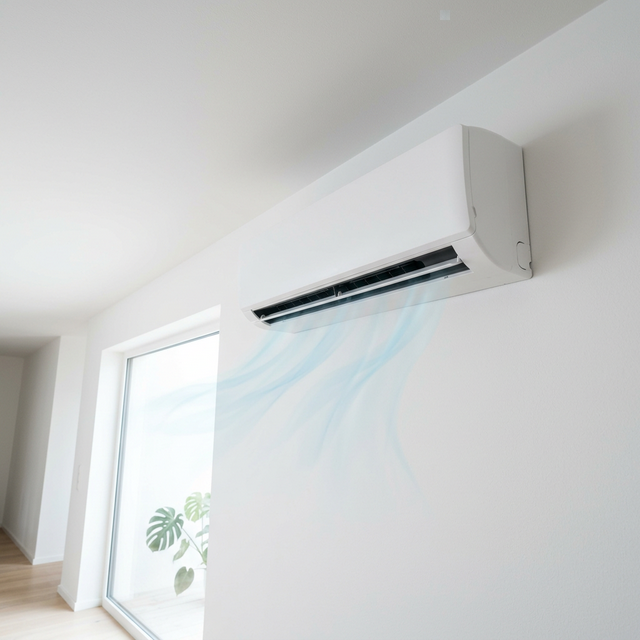
Why split ACs matter in Sharjah’s heat
In Sharjah, a split AC is not a comfort extra for most homes and offices; it is part of daily routine. Long cooling hours, high outdoor temperatures, and frequent use put steady pressure on every part of the system, from the indoor coil to the outdoor compressor. When a unit starts underperforming, the problem usually gets worse quickly because the AC has to work harder just to keep up.
That is why small symptoms matter. A room that cools slower than usual, water dripping from the indoor unit, or a fan that sounds slightly different can be an early warning that the system needs attention. If you need split AC services in Sharjah, it is usually better to address the issue before peak summer demand turns a minor fault into a full breakdown.
This guide explains the most common split AC problems, how installation mistakes reduce performance, and what good maintenance looks like for apartments, villas, offices, retail spaces, and small commercial properties. It is meant to help you decide what you can safely check yourself and when to book professional help.
Common split AC problems and what they mean
Most split AC faults start as performance changes rather than total failure. That is useful, because it gives you a chance to act early. A unit may still switch on and cool a little, but if the airflow is weak, the drain line is clogged, or the refrigerant level is off, the strain builds with every run cycle.
When people search for split AC repair Sharjah, they are often dealing with one of a handful of recurring issues: AC not cooling, water leakage AC symptoms, refrigerant leak concerns, AC airflow problems, strange sounds, or electrical faults. Each symptom points to a different likely cause, and the right repair depends on diagnosing it correctly instead of guessing.
Weak cooling or hot air
If the AC is blowing air that feels warm, or the room never reaches the set temperature, start with the simplest checks: make sure the thermostat is set correctly, the mode is on cooling, and the filter is not clogged. A dirty filter can restrict airflow enough to make the unit seem weak even when the compressor is still running.
If cleaning the filter does not help, the cause may be deeper. Low refrigerant, a failing capacitor, a dirty evaporator coil, or a fan motor problem can all reduce cooling output. Refrigerant is the fluid that absorbs indoor heat and releases it outside, so when levels are low because of a leak, the system cannot move heat efficiently. That is not a situation to ignore or top up casually; it needs proper leak detection and repair.
Water leakage and drainage issues
Water dripping from the indoor unit is one of the most common complaints in split systems. In many cases, the drain line is blocked by dust, algae, or debris, so condensation has nowhere to go. Sometimes the indoor unit is not tilted correctly, which prevents water from draining toward the outlet.
Leakage can also appear when the evaporator coil is dirty or freezing, then thawing during operation. If you notice water stains, dripping, or moisture around the casing, check whether the filter is blocked and whether the drain outlet is visible and unobstructed. Persistent leakage, however, usually needs a technician because the root cause may be inside the unit or tied to installation quality.
Strange noises and vibration
Split AC systems should make a steady operating sound, not rattling, grinding, or banging. Light vibration can happen, but repeated knocking or loud buzzing usually means something is loose, misaligned, or worn. Common causes include an unsecured indoor bracket, a loose outdoor base, fan blade issues, or a compressor problem.
Noise should not be dismissed as “normal aging.” In a well-installed HVAC split system Sharjah property owners expect, the indoor and outdoor units should run with minimal vibration. If the sound is new or getting louder, it is worth a professional inspection before a small mechanical issue spreads to other parts.
Electrical faults and thermostat problems
Frequent tripping, a unit that starts and stops too often, or an unresponsive remote can point to electrical or control issues. A faulty thermostat may misread room temperature, causing short cycling, where the AC turns on and off repeatedly without completing a proper cooling cycle. That wastes energy and puts extra wear on the compressor.
If you smell burning, notice flickering display lights, or hear the unit struggle to start, stop using it and arrange service. Electrical faults should not be handled casually because they can affect safety as well as comfort. For recurring shutdowns or unstable operation, professional split AC repair and maintenance is the safer route than repeated resets.
When a split AC starts leaking, losing cooling power, or tripping power repeatedly, the issue is usually no longer “just maintenance.” At that stage, the system needs diagnosis before the damage spreads.
Installation mistakes that reduce performance
Some AC problems are not caused by age at all. They begin on installation day. A split system can be the right size and brand for the room, but if the unit is mounted poorly or the piping is handled badly, performance drops from the start. In many cases, the customer only notices later, once the AC has to work through Sharjah’s extended heat load.
This is why split AC installation Sharjah should be done with careful attention to clearance, drainage, vibration control, and line length. Good installation protects cooling capacity, improves efficiency, and reduces future service calls. Poor installation does the opposite.
Indoor unit height and clearance
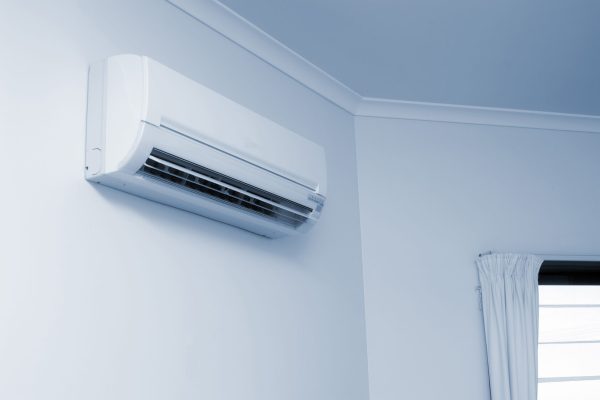
The indoor unit needs enough space around it to pull in air and discharge cool air evenly into the room. If it is installed too close to a ceiling, curtain, cabinet, or beam, airflow gets blocked. That can create uneven cooling, drafty spots, or a sensor reading that does not reflect the actual room temperature.
Mounting height also matters. If the unit is too low, cooled air may blow directly on occupants rather than circulate through the room. If it is set at an awkward angle, condensation may not drain properly. These are not cosmetic issues; they affect how the system breathes, drains, and cools.
Outdoor unit placement and vibration control
The outdoor condenser unit needs stable support, ventilation, and protection from unnecessary heat buildup. If it sits on an unstable bracket or uneven base, vibration can travel through the wall and loosen fittings over time. If the area around it is cramped, hot exhaust air can recirculate and reduce efficiency.
Direct sun exposure is another factor. While outdoor units are built for outdoor use, extreme heat and poor airflow still increase strain. A technician should also check the anti-vibration pads and mounting hardware. These small details help keep noise down and reduce the risk of early wear.
Refrigerant line distance and efficiency
Refrigerant piping connects the indoor and outdoor units. The line needs to be sized, routed, and insulated correctly. If the distance is longer than the system supports, or if the piping is bent too sharply, the AC may lose efficiency and strain harder than necessary.
Bad line work can also lead to leakage points or weak cooling after installation. Insulation gaps cause heat gain, especially in hot utility spaces or exposed routes. If a split system was installed years ago and has never performed as expected, it may be worth having the piping and placement reviewed by expert split AC technicians rather than assuming the unit itself is the problem.
How professional split AC service works
A proper service visit should follow a clear process. That matters because split AC faults can overlap: weak cooling may be caused by dirt, airflow restriction, a refrigerant issue, or electrical trouble. Good technicians do not jump to the first explanation. They inspect, test, repair, and then confirm the system is operating normally.
For homeowners and facility managers, that process is useful because it reduces repeat breakdowns. It also helps distinguish between what can be solved with maintenance and what needs a repair or installation correction. A service-led approach is especially valuable in Sharjah, where a quick fix that only masks the real fault often fails again during peak heat.
Inspection and diagnosis
The first step is a visual and operational inspection. A technician typically checks the filter condition, coil cleanliness, drain flow, fan operation, thermostat response, electrical connections, and visible signs of leakage or frost. If the outdoor unit is accessible, it is checked for airflow obstruction, unusual vibration, and compressor behavior.
Diagnosis should also include pattern recognition. For example, if the unit cools poorly only during the hottest hours, the issue may not be the thermostat. If water leakage returns after wiping it away, the drain path likely needs to be cleared properly. The goal is to find the cause, not just the symptom.
Repair or maintenance
Once the fault is identified, the technician may clean coils, flush the drain line, secure components, replace worn electrical parts, address a refrigerant leak, or correct installation-related issues. In some cases, routine split AC maintenance is enough to restore performance. In other cases, a part replacement or refrigerant repair is needed.
Good service should be practical and proportionate. For example, if the filter and coil are dirty, cleaning may solve the weak cooling. If the compressor is trying to start but repeatedly fails, the technician should look deeper instead of assuming a basic cleaning will fix everything. This is one reason emergency AC repair is often requested during summer: the system has already reached a point where waiting is no longer comfortable or cost-effective.
Testing and performance check
After the repair or maintenance work, the system should be tested under real operating conditions. That means checking whether the room temperature drops steadily, drainage flows correctly, the unit starts and stops properly, and there are no unusual noises or smells. A visual inspection alone is not enough.
Testing also matters for confidence. A homeowner should know that the leakage stopped, the cooling improved, and the electrical issue is resolved. In an office or retail unit, performance verification helps avoid repeat disruptions during business hours.
When to call a technician
Some AC issues can wait for scheduled maintenance, but others should be handled promptly. If you are dealing with repeated water leakage, weak cooling after cleaning the filter, burning smells, electrical tripping, or signs of a refrigerant leak, it is time to call a professional. These are not problems that usually fix themselves.
It is also smart to book help when the AC is running longer than usual but cooling less effectively, especially in the middle of a Sharjah heatwave. That pattern often means the unit is losing efficiency and is likely to fail harder if ignored. If comfort, business continuity, or safety is at stake, book split AC service in Sharjah before the issue becomes more expensive.
You should especially avoid delaying service if:
- The unit trips power repeatedly or struggles to start.
- There is water around the indoor unit or staining on the wall.
- The airflow is weak even after the filter has been cleaned.
- You hear grinding, buzzing, or loud vibration from either unit.
- The AC gives off an unusual odor or a burning smell.
- Cooling improves only briefly and then drops again.
How to prevent repeat breakdowns
Prevention is not complicated, but it has to be consistent. Most repeat breakdowns happen when small maintenance tasks are delayed for too long or when an installation issue is never corrected. In Sharjah, where systems run for long hours, preventive care is often the difference between steady performance and mid-season failure.
A good maintenance routine also helps you budget better. Instead of reacting to every fault as an emergency, you can plan seasonal checks and catch wear early. That is especially useful for offices, clinics, shops, and rental properties where downtime affects more than one person.
- Clean filters regularly so airflow stays strong and dust does not build up on the coil.
- Check the drain line if you notice dripping, slow draining, or moisture near the unit.
- Keep the outdoor unit clear of boxes, debris, and anything that blocks airflow.
- Schedule seasonal servicing before peak summer instead of waiting for a failure.
- Watch for early symptoms such as weak cooling, noise, odor, or repeated tripping.
- Ask for performance testing after repair so you know the issue was resolved, not just hidden.
If your system has a history of leakage, poor airflow, or recurring faults, maintenance alone may not be enough. The unit may need deeper repair work or an installation review. That is especially true if the same problem comes back after short intervals. At that point, a technician should evaluate the full system, including placement, piping, and control components.
Choosing the right support for homes and offices
Not every property needs the same kind of service call. A villa with multiple indoor units, an apartment with one bedroom unit, and an office with regular operating hours all place different demands on the system. That is why the best service provider is one that can handle repair, installation, and maintenance with the same level of care.
When comparing split AC services Sharjah, look for practical signs of quality: systematic diagnosis, clear communication about the problem, attention to drainage and airflow, and testing after the job is done. You want a team that can handle everything from a noisy indoor unit to a refrigerant leak to a full split AC installation and maintenance visit without treating every issue as the same.
For many property owners, the best next step is not to guess which part failed. It is to have the system inspected by technicians who can identify the cause and recommend the right fix. That saves time, reduces repeat visits, and helps the AC run more reliably through the hottest months.
When your split AC shows early warning signs, act before the problem spreads. For expert diagnosis, repair, maintenance, and installation support, visit split AC services in Sharjah and book the help your home or office needs.